
Caustic Soda Is More Than a Generic Alkali
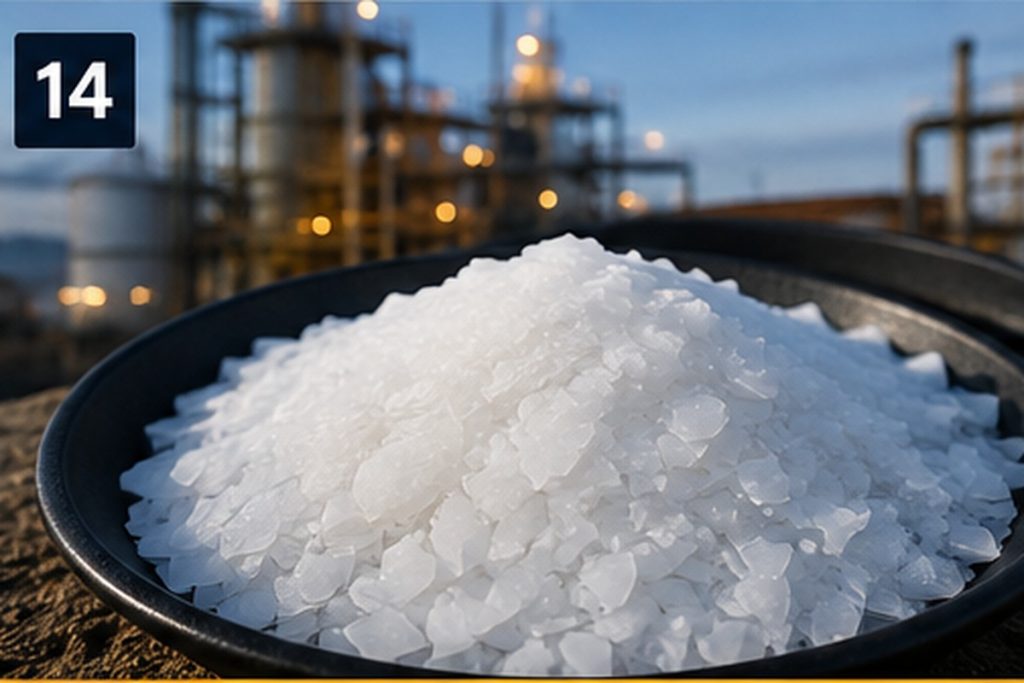
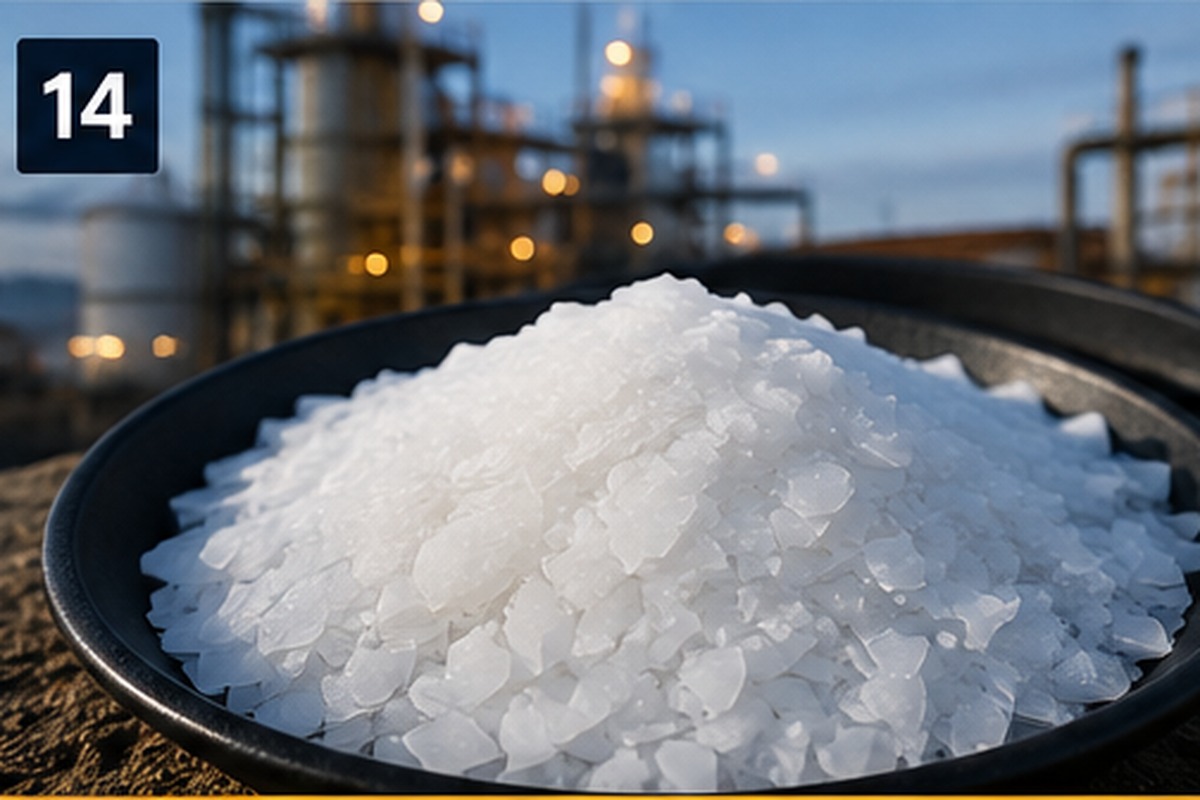
Caustic soda, or sodium hydroxide, is a strong alkali used across many industrial processes. In gold processing it can be relevant wherever an operation requires controlled alkalinity, pH adjustment, cleaning or a specialised alkaline treatment step.
The important procurement point is that the chemical should be purchased for the actual process duty. A mine should not treat every alkaline reagent as automatically interchangeable. Plant chemistry, equipment, storage, dosing systems and metallurgical objectives determine what is appropriate.
For Ghanaian mining operations, the commercial decision should therefore connect the required concentration and specification with safe logistics, dependable supply and the plant’s real consumption. For the wider context, our guide on mining Chemicals in Ghana: A Practical Guide to Reagents, Supply and Process Risk brings the main procurement considerations together in one place.
Why pH Control Matters in Gold Processing
Gold-processing circuits often depend on controlled solution chemistry. In cyanide-based leaching, alkaline conditions are important to process control and cyanide management. The exact operating target belongs to the metallurgical team and should be based on the ore, flowsheet and site procedures. A useful next step is our guide on flocculants in Mineral Processing: How Polyacrylamide Supports Solid-Liquid Separation, which looks at the related practical considerations in more detail.
Caustic soda can provide rapid alkalinity because it dissolves readily in water. That can make it useful in selected applications, but it also means dosing needs to be controlled. More chemical is not automatically better.
Procurement should understand whether caustic soda is the plant’s primary pH modifier, a supplementary reagent or a product reserved for a particular stage. That distinction affects annual demand, storage capacity and the consequences of a shortage.
Specialised Gold-Leaching Applications
Published mineral-processing research has examined sodium hydroxide as a pH modifier in specialised cyanide-leaching systems, including copper-bearing gold materials. Such applications demonstrate why reagent selection needs to follow the actual ore and process chemistry rather than a generic purchasing rule. A useful next step is our guide on sodium Cyanide in Gold Mining: Procurement, Handling and Supply Considerations, which looks at the related practical considerations in more detail.
This is not a universal operating recipe. Ore mineralogy and process conditions differ significantly between mines, and reagent conditions must be established by qualified metallurgical personnel through appropriate test work.
For procurement teams, the lesson is simpler: if a plant specifies sodium hydroxide for a metallurgical duty, substitutions involving lime or another alkali should not be made solely on price without technical approval. A useful next step is our guide on xanthates in Mineral Processing: What Procurement Teams Should Know, which looks at the related practical considerations in more detail.
Concentration Changes the Commercial Comparison
Caustic soda may be supplied in different concentrations or physical forms. A quotation is only meaningful when the buyer compares equivalent material.
If two liquid products have different sodium hydroxide concentrations, price per tonne of delivered solution can be misleading. Procurement may need to compare cost per tonne of active sodium hydroxide while also considering freight, storage and dilution requirements.
The RFQ should state the required concentration, acceptable range, packaging or bulk-delivery format, quantity and delivery location. That removes ambiguity and produces more comparable quotations.
Quality Parameters Should Reflect the Plant Requirement
A practical purchasing specification should identify the properties that matter to the operation rather than copying a long generic specification. Concentration is usually central. Depending on the application, impurities may also matter.
Procurement should request a Certificate of Analysis where appropriate and ensure the supplied batch can be traced to the delivery. Quality and process teams should agree how incoming material will be accepted and what happens when results fall outside specification.
Supplier consistency matters because unexpected concentration changes can affect dosing, consumption calculations and inventory planning.
Handling and Storage Require Respect
Caustic soda is highly corrosive. The Safety Data Sheet and site procedures should govern receiving, storage, transfer, PPE and emergency arrangements.
Procurement should confirm that the selected delivery format is compatible with the mine’s tanks, pumps, pipework and unloading arrangements before changing concentration, packaging or supplier.
Storage planning should also account for the product’s physical behaviour under local conditions and the materials of construction used by the facility. HSE and engineering should review changes before the first delivery arrives.
Consumption Is a Better KPI Than Purchase Price Alone
A lower purchase price does not automatically mean lower operating cost. Mines should monitor caustic consumption against the process output or duty it supports.
If a supplier change is followed by unexpected consumption, dosing instability or additional handling, the commercial saving should be reassessed. The same total-cost logic applies to caustic soda as to other process chemicals.
Procurement becomes stronger when supplier price, delivered concentration, actual consumption and quality consistency are reviewed together.
Plan Supply Around the Consequence of a Shortage
If caustic soda performs a critical plant duty, reorder points should reflect realistic lead time rather than optimistic delivery promises. Imported supply can include manufacturing, shipping, clearance and inland transport.
Local stock can provide flexibility, while planned imports may improve economics at sufficient volume. Some operations may benefit from a hybrid strategy, provided specifications remain controlled.
The correct safety stock depends on consumption variability, replenishment reliability, storage capacity and the operational consequence of running out.
Discuss Your Mining Chemical Requirement With Aviv Kitov Group
Aviv Kitov Group supports mining and industrial organisations in Ghana with specialised chemical sourcing across regional and international markets. A useful next step is our guide on hydrogen Peroxide in Mining: Cyanide Detoxification and Procurement Considerations, which looks at the related practical considerations in more detail.
For a useful supply assessment, provide the product, technical specification or approved grade, quantity, packaging, delivery location and required date.
Our team can then assess sourcing options against the commercial and operational requirement.
For the fastest assessment, include:
- product or reagent required
- technical specification or approved grade
- quantity
- preferred packaging
- delivery location
- required delivery date
Pingback: Mining Chemicals in Ghana: Reagents, Supply & Process Risk