
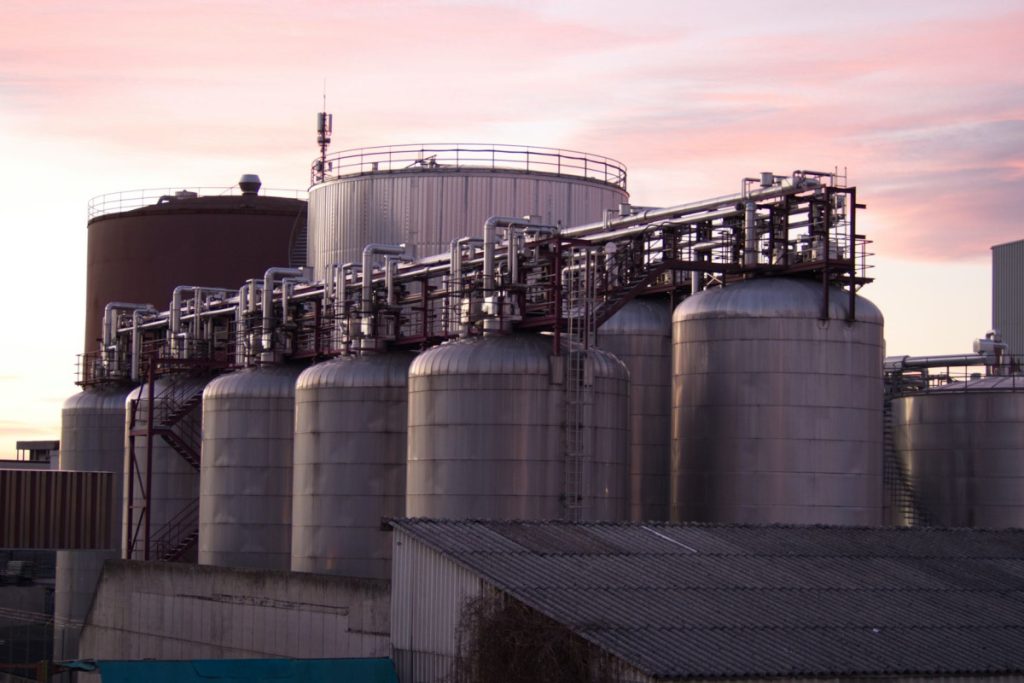

The warehouse or tank is part of the purchase decision
An industrial chemical can meet every line of the purchasing specification and still create a serious problem if the receiving site is not ready for it. A different concentration, larger package, new supplier or bulk delivery method can change how the material needs to be stored and handled.
For procurement teams, this means storage should be checked before an order becomes a delivery problem. Operations, stores and HSE need enough information to confirm that the proposed product and packaging fit the site. For the wider context, our guide on oil and Gas Chemicals in Ghana: A Procurement Guide for Industrial Operations brings the main procurement considerations together in one place.
Start with compatibility, not available floor space
Finding an empty corner of a warehouse is not the same as identifying a suitable chemical storage location. Acids, alkalis, oxidisers and other incompatible materials may require segregation. Some products also react with particular construction materials or become unstable when contaminated. A useful next step is our guide on scale Inhibitors in Oil and Gas Production: Why Chemical Performance Matters, which looks at the related practical considerations in more detail.
The supplier’s current SDS provides an important starting point, while the site’s own risk assessment and procedures determine the final arrangement. Procurement should make the SDS available before first delivery, not after the truck reaches the gate.
Containment needs to match the form of supply
Drums, IBCs and bulk tanks create different spill scenarios. A site moving from drums to IBCs may suddenly be storing much more liquid in each individual container. A move to bulk supply changes the scale again and may require dedicated tanks, bunding, unloading points and transfer equipment.
The commercial saving from larger packaging should therefore be considered together with any infrastructure required to receive it safely.
Capacity should include working space
A storage area can be technically large enough for the ordered quantity and still be operationally poor. Forklifts need access, containers need to be inspected, labels need to remain visible and older stock may need to be reached first for proper rotation.
Overfilling a chemical store also makes housekeeping and emergency response more difficult. Order quantity should reflect usable storage capacity rather than the maximum number of packages that can physically be squeezed into the space.
Temperature and weather matter in Ghana
Some chemicals lose strength, degrade, crystallise or develop pressure when stored outside recommended conditions. Direct sun and high ambient temperatures can be especially relevant for products such as sodium hypochlorite and hydrogen peroxide.
Procurement should understand storage limits when choosing order size. Buying several months of stock to save freight can become false economy if the product deteriorates before it is consumed.
Receiving arrangements should be agreed in advance
Before dispatch, the supplier and customer should know the delivery point, access restrictions, unloading method and who is responsible for hoses, pumps or lifting equipment. Bulk deliveries need particularly clear interfaces between driver and site personnel.
A short pre-delivery checklist can prevent a surprisingly large number of problems. It is much easier to resolve a connection or access issue before the vehicle begins its journey.
Good storage protects the value already purchased
Chemical inventory represents cash, process continuity and, in many cases, significant hazard. Protecting packaging, preventing contamination, rotating stock and keeping documents traceable preserve that value until the material reaches the process.
Procurement adds value when it sees the full journey from specification to safe usable stock. Delivery is not successful merely because the supplier obtained a signed delivery note.
Discuss Your Requirement With Aviv Kitov Group
Aviv Kitov Group supports industrial organisations in Ghana with specialised chemical sourcing across regional and international markets. A useful sourcing conversation starts with the actual process requirement, not simply the chemical name, because grade, concentration, packaging, volume, delivery location and lead time can all change the best supply option.
Pingback: Drums, IBCs or Bulk Tankers? Choosing the Right Chemical...