

A convincing label is not proof of product identity
Industrial chemicals can move through complex trading chains, especially when buyers are sourcing urgently or from unfamiliar vendors. Packaging, certificates and brand references can appear credible while the actual source is unclear.
Procurement should therefore build verification into supplier qualification rather than relying on appearance. A useful next step is our guide on supplier Quality Audits: What Industrial Buyers Should Evaluate, which looks at the related practical considerations in more detail.
Know who you are buying from
Confirm the supplier’s legal business identity, physical presence, contact details and relevant trading history. For significant purchases, understand whether the company is a manufacturer, authorised distributor, stockist or trader.
Unusual payment instructions or sudden changes in banking details should be independently verified through established contacts.
Ask for traceable product documentation
Where relevant, COAs should identify a batch or lot and align with the supplied product. Technical documents should be consistent in manufacturer and product naming.
Obvious formatting errors, conflicting manufacturer details or documents that cannot be linked to the delivery should trigger questions.
Use receiving controls
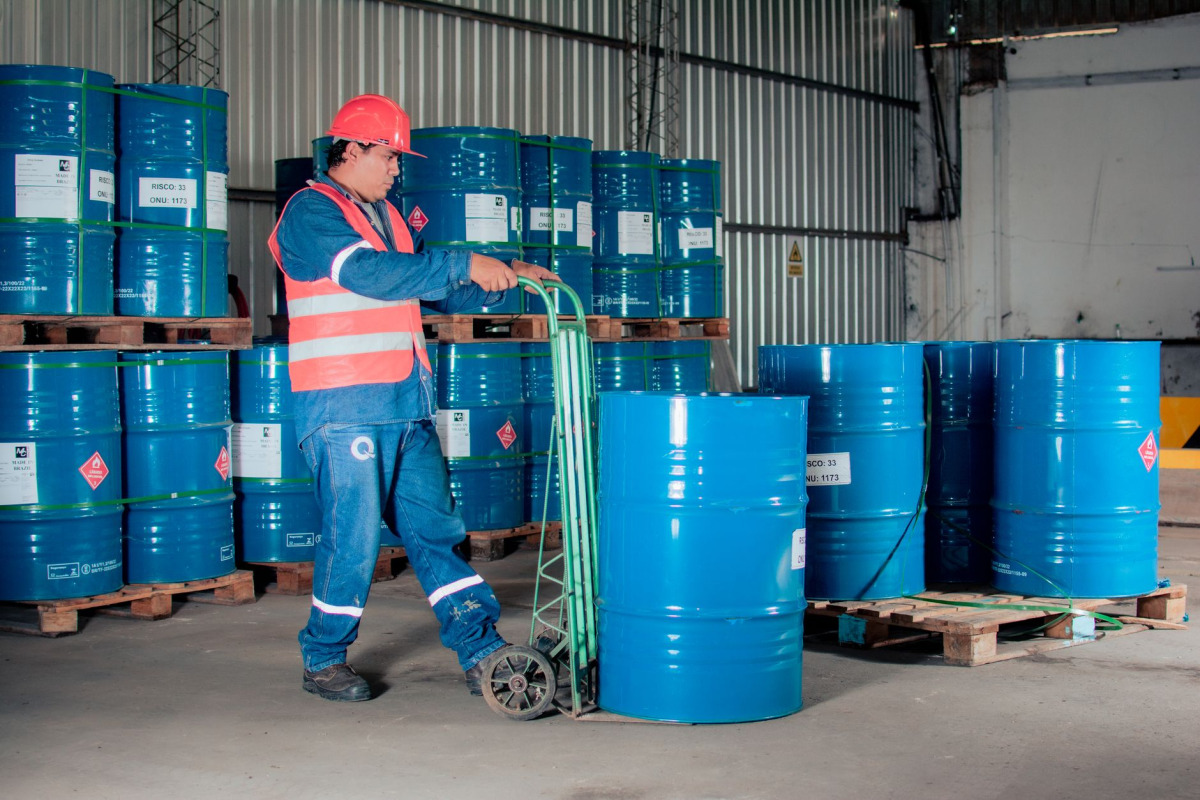
Check seals, labels, batch numbers, packaging condition and quantities at delivery. Compare them with the approved order and documentation.
If a familiar product suddenly arrives in significantly different packaging, the change should be clarified rather than ignored.
Test critical materials when risk justifies it
For process-critical or high-value chemicals, laboratory testing or identity checks can provide additional assurance. The level of testing should reflect the consequence of receiving the wrong material. For the wider context, our guide on chemical Quality Assurance: Specifications, COAs and Incoming Inspection brings the main procurement considerations together in one place.
A representative sample and traceable chain of custody make the result more useful.
Urgency increases vulnerability
Emergency sourcing encourages buyers to accept unfamiliar suppliers, unusual commercial terms and incomplete documentation. That is precisely when basic verification becomes more important.
Maintaining qualified alternatives reduces the need to take those risks.
Create a culture where people can stop the purchase
Stores, quality and procurement personnel should be able to escalate suspicious deliveries without pressure to accept them because production is waiting.
A short delay for verification is often far cheaper than introducing an unknown chemical into an industrial process.
Discuss Your Requirement With Aviv Kitov Group
Aviv Kitov Group supports industrial organisations in Ghana with specialised chemical sourcing across regional and international markets. A useful sourcing discussion starts with the actual process requirement, including the approved specification or grade, quantity, packaging, delivery location and required date.